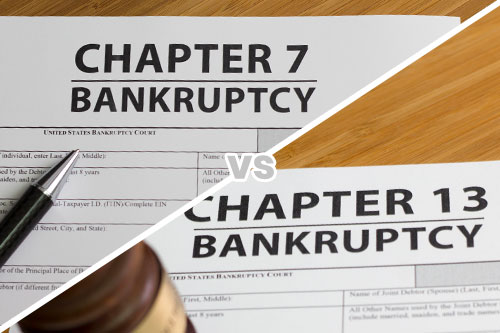
Chapter 7 vs. Chapter 13 Bankruptcy in Arkansas: Which Is Right for You?
When debt becomes difficult to manage, bankruptcy may provide a legal path toward financial relief. For individuals in Arkansas, two of the most common options are Chapter 7 bankruptcy and Chapter 13 bankruptcy.
Although both chapters can provide protection from creditors and may lead to the discharge of certain debts, they work in very different ways.
Chapter 7 generally involves the liquidation of nonexempt assets and can provide a discharge of qualifying debts. Chapter 13 allows an individual with regular income to repay debts through a court-approved repayment plan, generally over three to five years.
Understanding the differences between Chapter 7 and Chapter 13 can help you prepare for a conversation with an Arkansas bankruptcy attorney about your circumstances.
What Is Chapter 7 Bankruptcy?
Chapter 7 is often called liquidation bankruptcy.
In a Chapter 7 case, a bankruptcy trustee is appointed to administer the bankruptcy estate. Certain property may be protected by applicable exemptions, while nonexempt property may potentially be sold and the proceeds distributed to creditors.
For eligible individuals, Chapter 7 can result in the discharge of many qualifying unsecured debts.
However, not every debt is dischargeable in bankruptcy. Certain obligations may survive a Chapter 7 discharge, so it is important to understand which debts are involved before filing.
Who May Qualify for Chapter 7?
Eligibility depends on the individual's financial circumstances and the requirements of the Bankruptcy Code.
For individuals with primarily consumer debts, the means test may be an important part of determining whether Chapter 7 relief is available. The means test uses income and allowable expenses to evaluate whether there is a presumption of abuse under the Bankruptcy Code.
Passing or failing the means test is not the only consideration in every Chapter 7 case. Other facts may also affect eligibility and how the case proceeds.
What Is Chapter 13 Bankruptcy?
Chapter 13 is sometimes called a reorganization or repayment bankruptcy for individuals with regular income.
Instead of liquidating assets in the same manner as Chapter 7, a Chapter 13 debtor proposes a repayment plan. If the plan is confirmed, payments are generally made to a Chapter 13 trustee, who distributes payments to creditors according to the plan and applicable law.
A Chapter 13 plan generally lasts three to five years, depending on the circumstances and applicable requirements.
Chapter 13 may also be used in situations where a debtor needs time to address certain secured debts or other financial obligations while retaining property, subject to the requirements of the Bankruptcy Code.
Chapter 7 vs. Chapter 13: Key Differences
| Chapter 7 | Chapter 13 | |
| Basic structure | Liquidation | Repayment plan |
| Who can file | Eligible individuals and certain entities | Individuals with regular income who meet eligibility requirements |
| Repayment | Generally no long-term repayment plan | Court-approved repayment plan |
| Typical plan length | No repayment plan | Generally 3–5 years |
| Property | Nonexempt property may be liquidated | Debtor generally retains property while making plan payments |
| Income considerations | Means test may apply to consumer debtors | Income is important in determining plan payments and eligibility |
| Discharge | Qualifying debts may be discharged | Discharge generally follows successful completion of the plan and applicable requirements |
The exact consequences of either chapter depend on the debtor's income, assets, debts, exemptions, and other circumstances.
Chapter 7 or Chapter 13: What Factors Matter?
There is no single bankruptcy chapter that applies to every person. Several factors can affect which chapter may be available and how a bankruptcy case should be structured.
1. Your Income
Income is an important consideration in bankruptcy.
For certain Chapter 7 cases involving primarily consumer debts, the means test may determine whether there is a presumption of abuse. In Chapter 13, income is also important because the debtor generally uses future income to fund the repayment plan.
2. Your Assets and Property
Your property and the applicable exemptions can be important when considering Chapter 7.
A Chapter 7 trustee may sell nonexempt property for the benefit of creditors. Property that qualifies for an applicable exemption may be protected, subject to the specific circumstances of the case.
Chapter 13 generally allows an individual to retain property while making payments under the court-approved plan, provided the applicable requirements are satisfied.
3. Your Type of Debt
The types of debts you owe also matter.
Bankruptcy can discharge many types of unsecured debt, but certain debts may be nondischargeable under federal bankruptcy law.
Examples can include certain tax obligations, domestic support obligations, and certain student loan debts, among others. The specific rules depend on the type of debt and the circumstances.
4. Whether You Have Regular Income
Chapter 13 is designed for individuals with regular income who can make payments under a court-approved plan.
If you have regular income but need time to catch up on certain financial obligations, Chapter 13 may be an option to discuss with a bankruptcy attorney.
5. Whether You Are Behind on Secured Debts
If you are behind on payments for a home, vehicle, or other secured debt, the bankruptcy chapter you choose can affect how those obligations are handled.
Chapter 13 may provide a mechanism for addressing certain past-due secured debts through a repayment plan, subject to the Bankruptcy Code and the requirements for plan confirmation.
A bankruptcy attorney can review your specific loan and determine what options may be available.
Can Bankruptcy Stop Creditor Collection?
Filing for bankruptcy generally triggers an automatic stay, which can stop or limit many collection actions against the debtor.
Depending on the circumstances, the automatic stay can affect collection calls, lawsuits, garnishments, and other creditor actions.
However, the automatic stay has exceptions and limitations, and it does not necessarily stop every type of legal proceeding or collection activity.
If you are facing a lawsuit, garnishment, foreclosure, repossession, or another collection action, timing can be particularly important.
Will Bankruptcy Eliminate All of My Debts?
No.
Bankruptcy does not automatically eliminate every debt.
The Bankruptcy Code identifies certain obligations that may not be discharged. Whether a particular debt survives bankruptcy can depend on its type and, in some situations, the circumstances surrounding how the debt was incurred.
For example, certain domestic support obligations, some tax debts, and certain student loan obligations may not be discharged under Chapter 7 or Chapter 13.
Before filing, it is important to identify your debts and understand how bankruptcy may affect each one.
Is Chapter 7 Faster Than Chapter 13?
Generally, Chapter 7 does not involve the three-to-five-year repayment plan required in a typical Chapter 13 case.
Chapter 13 requires the debtor to make payments under an approved plan before receiving a discharge, assuming the debtor completes the applicable requirements.
However, the length and complexity of a bankruptcy case can vary. A debtor's individual circumstances, assets, debts, objections, and other issues can affect the process.
How Does Bankruptcy Work in Arkansas?
Although this article focuses on Arkansas residents, bankruptcy is governed primarily by federal law.
The Eastern and Western Districts of Arkansas Bankruptcy Court explains that bankruptcy cases are handled in federal bankruptcy court and cannot be filed in Arkansas state court.
Arkansas residents may also need to consider Arkansas-specific issues, including applicable exemptions and local bankruptcy procedures.
Because bankruptcy involves both federal law and local court procedures, working with an attorney familiar with Arkansas bankruptcy cases can be important.
What Should You Do Before Filing Bankruptcy?
Before filing Chapter 7 or Chapter 13, consider gathering information about your complete financial situation.
You may want to organize:
- Recent pay stubs and income records
- Bank statements
- Credit card statements
- Medical bills
- Personal loans
- Mortgage and vehicle loan documents
- Tax returns
- Retirement and investment account statements
- Information about real estate and other property
- Collection letters and lawsuits
- Monthly household expenses
Having accurate financial information allows an attorney to evaluate your circumstances and discuss the bankruptcy options that may apply.
Chapter 7 vs. Chapter 13: Understanding Your Options
Chapter 7 and Chapter 13 serve different purposes.
Chapter 7 generally focuses on liquidation of nonexempt assets and discharge of qualifying debts.
Chapter 13 generally involves a court-approved repayment plan funded by the debtor's regular income, usually over three to five years.
Eligibility, property, income, debt type, and financial goals can all affect how the bankruptcy process applies to an individual situation.
If you are considering bankruptcy in Arkansas, an attorney can review your financial circumstances and explain the requirements, potential benefits, and potential consequences of the available options.
Talk to an Arkansas Bankruptcy Attorney
If overwhelming debt is making it difficult to keep up with your financial obligations, understanding your bankruptcy options is an important first step.
Cornerstone Law Firm helps individuals navigate bankruptcy and other legal matters in Arkansas. If you are considering Chapter 7 or Chapter 13 bankruptcy, contact Cornerstone Law Firm to discuss your financial circumstances and learn more about the bankruptcy process.
Frequently Asked Questions
What is the main difference between Chapter 7 and Chapter 13 bankruptcy?
Chapter 7 generally involves liquidation of nonexempt assets and can result in the discharge of qualifying debts. Chapter 13 generally involves a court-approved repayment plan for an individual with regular income, typically lasting three to five years.
Do I have to repay all of my debts in Chapter 13?
Not necessarily. A Chapter 13 plan may provide for full or partial repayment of debts, depending on the requirements of the Bankruptcy Code and the circumstances of the case.
Can I keep my property if I file Chapter 7?
Possibly. Bankruptcy exemptions may protect certain property, but a Chapter 7 trustee may have the authority to sell nonexempt property. The specific outcome depends on the assets, exemptions, and circumstances involved.
How long does a Chapter 13 bankruptcy last?
A Chapter 13 repayment plan generally lasts three to five years, depending on the debtor's circumstances and applicable requirements.
Does bankruptcy stop creditor calls and collection lawsuits?
The automatic stay generally stops or limits many collection actions when a bankruptcy case is filed. However, exceptions and limitations apply.
Can bankruptcy eliminate every type of debt?
No. Certain debts are not dischargeable or may receive different treatment under the Bankruptcy Code. An attorney can review your specific debts and explain how bankruptcy may affect them.
Is bankruptcy filed in an Arkansas state court?
No. Bankruptcy cases are handled in federal bankruptcy court. Arkansas has Eastern and Western Districts for bankruptcy proceedings.